
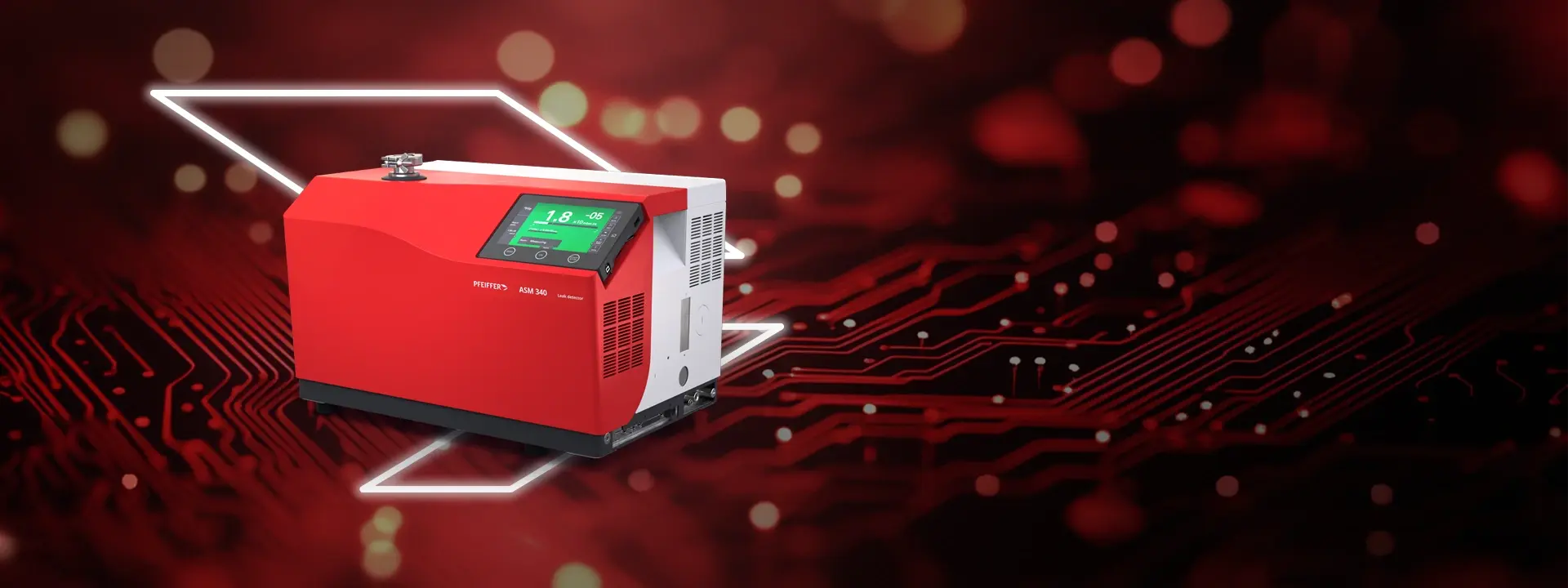
Hermetic Feedthrough Testing: Ensuring Leak Detection Accuracy
Are you in the process of designing a hermetically sealed system and need to ensure that your feedthroughs are leak-tight? Hermetic feedthrough testing is a critical step in the manufacturing process to guarantee the integrity and reliability of your system. In this article, we will explore the various testing methods available for leak detection in hermetic feedthroughs, providing you with the information you need to make informed decisions for your project.
What is a Hermetic Feedthrough?
A hermetic feedthrough is a device used to pass electrical or optical signals through a sealed barrier, such as a vacuum or pressure chamber, without compromising the integrity of the system. These feedthroughs are commonly used in a variety of industries, including medical, aerospace, and industrial applications, where a reliable and leak-free seal is essential.
Importance of Leak Detection
Ensuring that hermetic feedthroughs are leak-tight is crucial to the overall performance and longevity of the system. Even a small leak can lead to contamination, reduced efficiency, and potential safety hazards. Therefore, rigorous testing methods are employed to detect any leaks and ensure the quality of the feedthroughs before they are integrated into the final system.
Hermetic Feedthrough Testing Methods
There are several testing methods available to detect leaks in hermetic feedthroughs, each with its advantages and limitations. Some of the most common testing methods include:
- Helium Leak Testing: Helium leak testing is a highly sensitive method that involves pressurizing the feedthrough with helium gas and then scanning the surface with a helium detector to identify any leaks. This method is suitable for detecting even the smallest leaks in the feedthrough.
- Pressure Decay Testing: Pressure decay testing involves pressurizing the feedthrough with a specific gas and monitoring the pressure over time. Any drop in pressure indicates a leak in the system. This method is relatively simple and cost-effective but may not be as sensitive as helium leak testing.
- Bubble Leak Testing: In bubble leak testing, the feedthrough is submerged in a fluid, and any leaks are visualized by the formation of bubbles. While this method is straightforward and easy to perform, it may not be as sensitive as other testing methods.
- Mass Spectrometry: Mass spectrometry is a high-precision method that can detect trace amounts of gas molecules leaking from the feedthrough. This method is often used in conjunction with helium leak testing for enhanced accuracy.
Conclusion
In conclusion, hermetic feedthrough testing is a critical step in ensuring the integrity and reliability of your systems. By employing rigorous testing methods such as helium leak testing, pressure decay testing, and mass spectrometry, you can detect any leaks in the feedthroughs and address them before they cause any issues in the final system. With the right testing methods in place, you can have confidence in the performance of your hermetic feedthroughs and ensure the success of your projects.
Next time you are designing a hermetically sealed system, remember the importance of hermetic feedthrough testing for leak detection. By following the proper testing methods and protocols, you can rest assured that your system will operate efficiently and reliably for years to come. Don’t overlook the significance of leak detection in hermetic feedthroughs—it could mean the difference between success and failure in your project.