
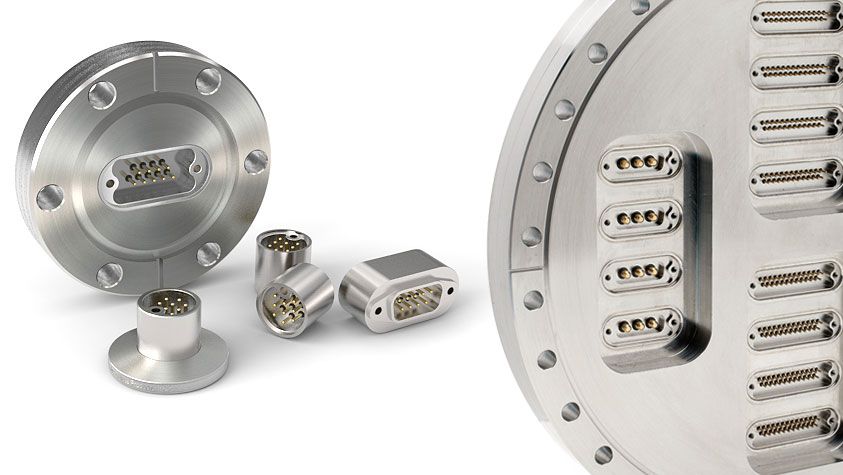
Hermetic Feedthrough: Vacuum Compatibility and Outgassing Considerations
Introduction
In the world of vacuum technology, hermetic feedthroughs play a crucial role in maintaining the integrity of vacuum systems by providing a reliable means of passing electrical signals, fluids, or gases through vacuum chambers without compromising the vacuum conditions. One of the key factors to consider when selecting a hermetic feedthrough is its compatibility with vacuum environments and the potential for outgassing. In this article, we will delve into the importance of vacuum compatibility and outgassing considerations when choosing a hermetic feedthrough for your application.
What is a Hermetic Feedthrough?
A hermetic feedthrough is a sealed electrical or fluid connection that enables the transfer of signals, power, or materials across a vacuum boundary while maintaining the vacuum integrity of the system. These feedthroughs are commonly used in applications such as mass spectrometry, semiconductor processing, high-energy physics, and aerospace technology, where a reliable and leak-free interface between the atmosphere and the vacuum environment is critical.
Vacuum Compatibility of Hermetic Feedthroughs
When selecting a hermetic feedthrough for a vacuum system, it is essential to consider its compatibility with the vacuum environment. The materials used in the construction of the feedthrough must be able to withstand the extreme conditions of high vacuum, such as low pressure, high temperatures, and radiation exposure, without degrading or outgassing. Commonly used materials for vacuum-compatible hermetic feedthroughs include stainless steel, ceramic, and glass-to-metal seals, which offer high thermal stability and low outgassing rates.
Outgassing Considerations
Outgassing is a phenomenon where trapped gases and volatile compounds within the materials of a feedthrough are released into the vacuum chamber under low-pressure conditions. This can lead to contamination of sensitive components, degradation of vacuum performance, and reduced system efficiency. To mitigate outgassing effects, it is important to select hermetic feedthroughs with low outgassing rates and to ensure that the materials used are compatible with the specific vacuum conditions of the application.
Factors Affecting Vacuum Compatibility and Outgassing
Several factors can influence the vacuum compatibility and outgassing behavior of hermetic feedthroughs, including the type of materials used, the manufacturing process, the surface finish, and the design of the feedthrough. For example, materials such as epoxy adhesives and elastomers with high outgassing rates should be avoided in high-vacuum applications, as they can release volatile compounds that contaminate the vacuum chamber. Additionally, the design of the feedthrough, such as the number of seals and the quality of the welds, can impact its ability to maintain a leak-free interface under vacuum conditions.
Conclusion
In conclusion, when choosing a hermetic feedthrough for your vacuum system, it is crucial to consider its compatibility with vacuum environments and the potential for outgassing. By selecting feedthroughs made from vacuum-compatible materials with low outgassing rates, you can ensure the reliable and efficient operation of your vacuum system. Remember to carefully evaluate the vacuum compatibility and outgassing characteristics of hermetic feedthroughs to select the best option for your specific application.
By following these guidelines, you can effectively create an engaging and informative article that showcases your expertise on the topic of hermetic feedthroughs and their role in vacuum technology. Remember to use natural language, include relevant headings and subheadings, and incorporate SEO best practices to maximize the reach and impact of your article.